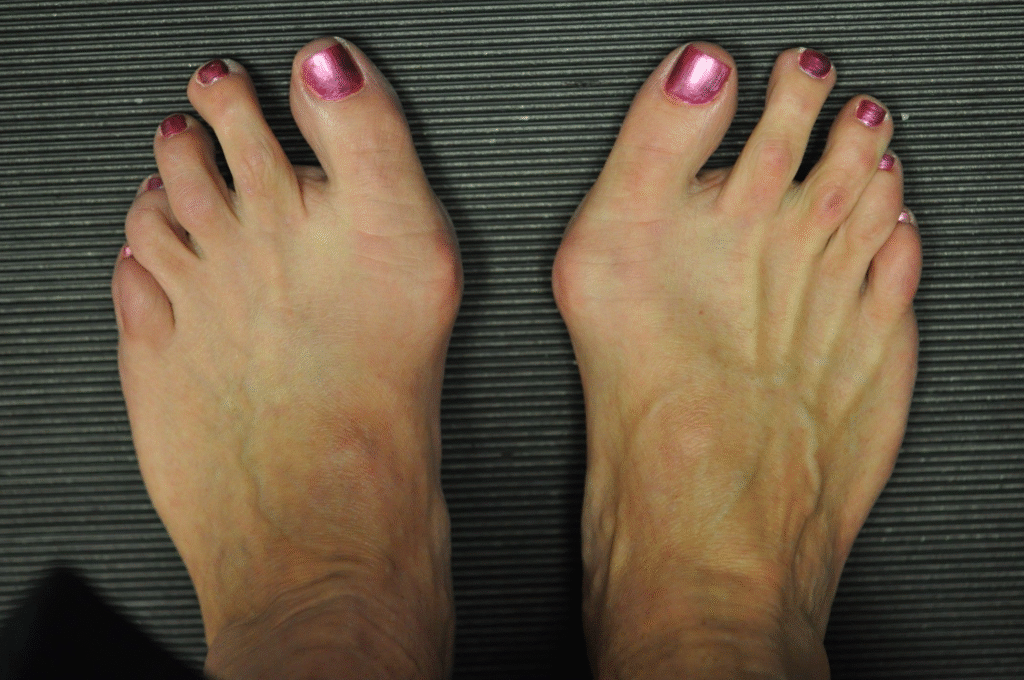
Bunions, medically referred to as hallux valgus, are a prevalent foot condition characterized by a bony bump that forms at the joint where the big toe meets the foot. This bump develops when some of the bones in the front part of the foot move out of place, causing the bunion tip of the big toe to get pulled toward the smaller toes and forcing the joint at the base of the big toe to stick out. Although often dismissed as a cosmetic concern, bunions can cause significant discomfort, pain, and even lead to mobility issues when left untreated. Their gradual onset makes them easy to overlook in the early stages, but prompt attention can prevent serious complications.
The exact cause of bunions can be multifactorial. Genetics play a significant role—many people inherit a faulty foot structure that makes them prone to bunions. In addition to hereditary factors, wearing ill-fitting footwear, especially shoes with pointed toes or high heels, can contribute to bunion formation by putting pressure on the toes. Over time, this pressure alters the natural alignment of the foot. Certain medical conditions such as arthritis, particularly inflammatory types like rheumatoid arthritis, can also lead to bunions due to joint damage. Repetitive stress on the feet from standing or walking for long periods may also worsen the condition.
Symptoms of bunions can range from mild irritation to severe pain. The most obvious sign is the protruding bump on the side of the foot, which may be accompanied by redness, swelling, or tenderness around the joint. As the bunion progresses, it may become increasingly difficult to wear regular shoes, and people may experience a burning sensation or numbness in the area. The big toe might start overlapping the second toe, causing additional deformities such as hammertoes. These symptoms not only affect daily activities but can also lead to changes in gait and posture, further straining other parts of the body such as the knees and back.
Treatment options for bunions vary depending on the severity of the condition. In the early stages, non-surgical methods are usually recommended. These include wearing wider, more comfortable shoes, using protective pads or orthotics to relieve pressure on the bunion, and applying ice to reduce inflammation. Over-the-counter pain medications can also help manage symptoms. In some cases, physical therapy and exercises may be suggested to strengthen foot muscles and improve joint alignment. While these methods won’t reverse the bunion, they can slow its progression and provide relief from pain and discomfort.
When conservative measures fail to provide adequate relief, surgical intervention may be considered. Bunion surgery, or bunionectomy, involves realigning the bones, ligaments, and tendons to correct the deformity. There are several types of surgical procedures, and the choice depends on the bunion’s severity and the patient’s overall health. Recovery from bunion surgery typically takes several weeks, during which time patients may need to limit weight-bearing activities and use special footwear. While surgery can be highly effective, it’s generally reserved for cases where the bunion severely impacts quality of life and other treatments have been unsuccessful.
Preventing bunions or minimizing their impact involves a proactive approach to foot care. Choosing shoes that provide adequate space for the toes and avoiding high heels can reduce the risk of bunions forming. Maintaining a healthy weight and practicing foot-strengthening exercises can also help keep the foot structure in good alignment. People with a family history of bunions should be particularly vigilant about foot health and seek medical advice at the first sign of trouble. With the right care and attention, it is possible to manage bunions effectively and continue enjoying a comfortable and active lifestyle.