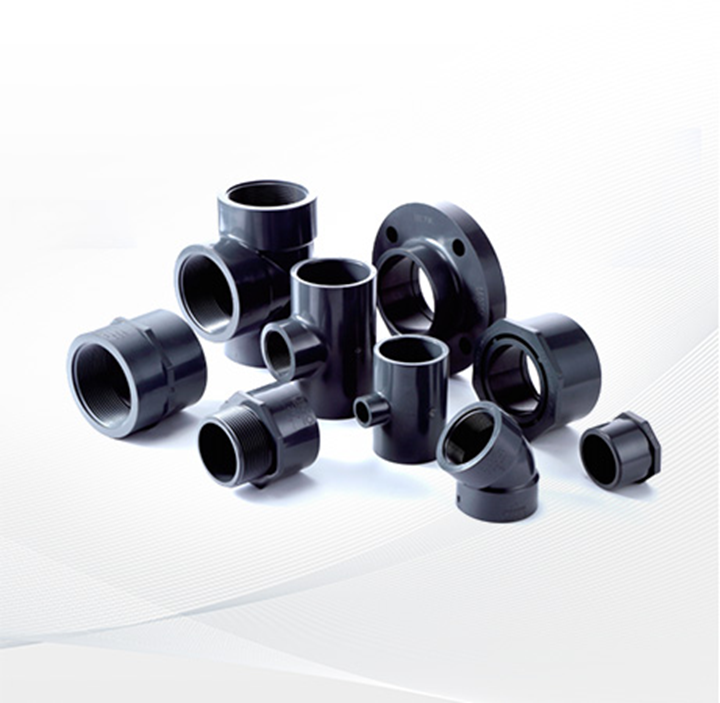
Schedule 80 pipe is often chosen for its thick wall construction and ability to withstand high pressure. In industrial, commercial, and chemical applications across North America, it’s a dependable choice for systems that demand extra strength. To get the most value from these installations, however, users must consider both material quality and proper maintenance techniques.
Installation Practices That Make a Difference
The first step to extending the life of any piping system is correct installation. When using Schedule 80 pipe from LESSO America, professionals often follow detailed preparation processes—ensuring clean cuts, proper alignment, and secure joints. Using the right primer and solvent cement also helps maintain structural integrity, especially in systems exposed to fluctuating temperatures or chemical loads.
Proper support spacing is another key factor. Because of its thicker walls, Schedule 80 pipe is heavier than its Schedule 40 counterpart. Installing adequate hangers and supports prevents sagging and reduces long-term stress on the joints.
Routine Inspections and System Monitoring
Once installed, regular inspection is essential. Facilities using LESSO America’s Schedule 80 pipe often schedule checks to detect early signs of wear, stress, or buildup. Monitoring system pressure and chemical concentrations can also help identify potential issues before they affect performance.
Protecting the piping from UV exposure in outdoor installations is also recommended. While Schedule 80 pipe is tough, long-term exposure to sunlight may degrade certain materials. Shielding or painting the pipe can help preserve its integrity over time.
Conclusion
For those across North America who rely on Schedule 80 pipe in high-demand settings, extending service life means more than choosing the right product—it requires thoughtful installation and consistent upkeep. LESSO America offers reliable piping solutions built to perform, and with the right care, these systems can continue to operate effectively for years.