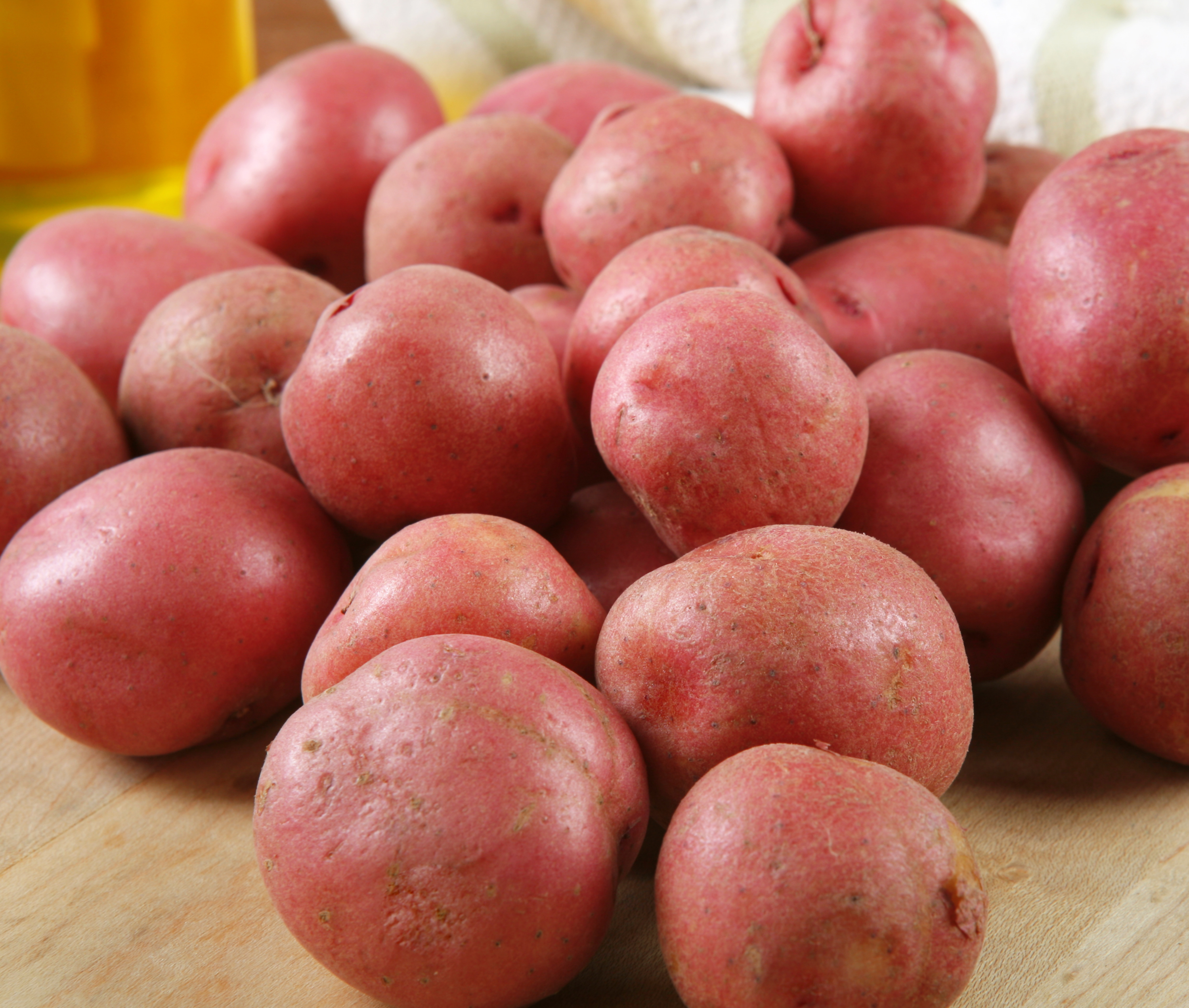
Red potatoes are a versatile and nutritious food that can enhance a balanced diet. They are known for their health benefits and can be prepared in red potatoes nutrition numerous ways to suit various culinary preferences.
A medium-sized red potato, typically weighing around 150 grams, contains approximately 130 to 150 calories. The primary source of these calories is carbohydrates, which play a crucial role in providing energy for daily activities. Each medium red potato contains about 30 grams of carbohydrates, which include both starch and dietary fiber. Starch is a complex carbohydrate that breaks down into glucose, providing a steady source of energy for bodily functions and physical activities. Dietary fiber, although not an energy source, is essential for maintaining digestive health. It helps promote regular bowel movements, contributes to a feeling of fullness, and aids in regulating blood sugar levels.
In addition to carbohydrates, red potatoes contain a small amount of protein. A medium red potato offers approximately 3 grams of protein. While red potatoes are not a complete protein source, meaning they do not provide all essential amino acids, they still contribute to overall protein intake. Protein is vital for muscle repair, growth, and various bodily functions, including the production of enzymes and hormones.
The fat content in red potatoes is minimal, with a medium potato containing about 0.2 grams of fat. This low fat content makes red potatoes a heart-healthy choice, as they are free from saturated fats and cholesterol. The minimal fat content contributes to their overall low-calorie profile, making them suitable for individuals who are monitoring their fat intake or aiming to maintain a healthy weight.
Red potatoes are also rich in several essential vitamins and minerals. A medium red potato provides approximately 30% of the daily recommended intake of vitamin C. Vitamin C is a crucial antioxidant that supports the immune system, enhances the absorption of iron, and promotes healthy skin. Red potatoes also contain vitamin B6, which plays a role in brain health and the synthesis of neurotransmitters. Furthermore, they are a good source of potassium, offering about 10% of the daily recommended intake. Potassium helps regulate blood pressure, maintain fluid balance, and support proper muscle and nerve function.
The skin of red potatoes is particularly nutrient-dense, containing additional fiber, vitamins, and minerals. Consuming the skin can increase the fiber content of the meal, benefiting digestive health and aiding in blood sugar control. The skin also contains antioxidants that may help reduce oxidative stress and inflammation in the body.
The nutritional profile of red potatoes can be influenced by the preparation method. Boiling or baking red potatoes without added fats is a healthier option compared to frying, which can increase the calorie content due to the absorption of oil. Additionally, adding high-calorie toppings and seasonings, such as butter, sour cream, or cheese, can affect the overall nutritional value of the dish.
In conclusion, red potatoes are a low-calorie, nutrient-rich food that provides a balanced mix of carbohydrates, minimal fat, and a modest amount of protein. They are a good source of essential vitamins and minerals, including vitamin C, vitamin B6, and potassium. When prepared in a healthy manner, red potatoes can be a valuable addition to a balanced diet, offering numerous health benefits and contributing to overall well-being.