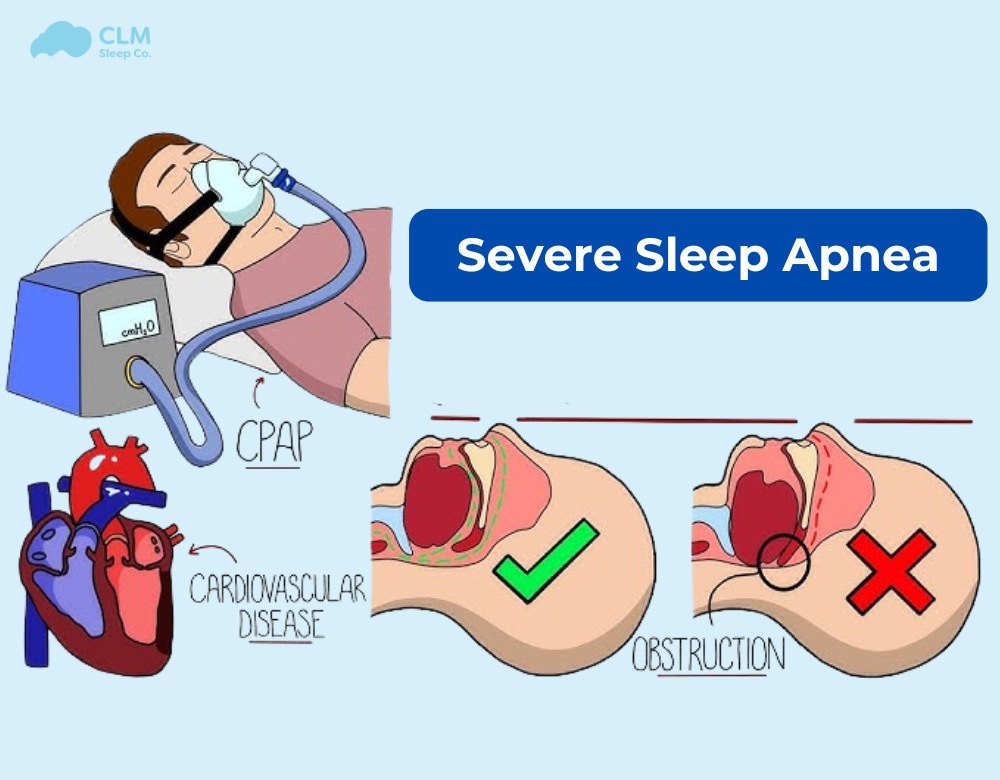
Sleep apnea is a serious and often overlooked medical cpap hk condition that affects millions of people worldwide. Characterized by repeated interruptions in breathing during sleep, this disorder significantly disrupts normal sleep patterns and lowers oxygen levels in the body. While it might appear to be nothing more than loud snoring or occasional gasping, sleep apnea can lead to grave health consequences if left untreated. With increasing awareness and modern treatment options, it is possible to manage the condition effectively and improve both sleep quality and overall health.
There are three main types of sleep apnea—Obstructive Sleep apnea (OSA), Central Sleep apnea (CSA), and Complex Sleep apnea Syndrome. OSA, the most common form, occurs when the muscles in the throat relax excessively and block the airway. CSA, on the other hand, happens when the brain fails to send the proper signals to the muscles that control breathing. Complex sleep apnea is a combination of both OSA and CSA. While anyone can develop sleep apnea, certain risk factors such as obesity, age, smoking, alcohol consumption, and a family history of the condition significantly increase the chances.
Recognizing the symptoms of sleep apnea is crucial for early intervention. Loud snoring, choking or gasping during sleep, and frequent nighttime awakenings are some of the most telling signs. However, symptoms are not limited to nighttime disturbances—daytime fatigue, morning headaches, irritability, and trouble concentrating are also common. These disruptions in sleep can lead to reduced productivity, poor mental health, and strained relationships. More alarmingly, untreated sleep apnea has been linked to high blood pressure, heart disease, stroke, type 2 diabetes, and depression.
To diagnose sleep apnea, medical professionals typically recommend a sleep study, also known as polysomnography. This test records brain waves, oxygen levels, heart rate, and breathing patterns during sleep to assess the severity of the condition. In some cases, home sleep tests may also be used. Once diagnosed, treatment options vary depending on the type and severity of the apnea. Mild cases may benefit from lifestyle changes such as losing weight, avoiding alcohol and sedatives, quitting smoking, and sleeping on one’s side.
For more severe cases, medical devices and interventions are often necessary. The most widely used and effective treatment is Continuous Positive Airway Pressure (CPAP) therapy, which uses a machine to deliver a steady stream of air through a mask, keeping the airways open during sleep. Alternative treatments include oral appliances designed to reposition the jaw or tongue, and in rare cases, surgery may be recommended to remove excess tissue or correct structural issues. These treatments can significantly improve sleep quality and reduce the risk of associated health problems.
In conclusion, sleep apnea is far more than a nuisance; it is a potentially life-threatening condition that demands attention. With proper diagnosis and treatment, individuals suffering from sleep apnea can restore restful sleep, improve their overall health, and enhance their quality of life. Awareness and proactive care are essential. Whether through lifestyle adjustments or advanced medical therapies, addressing sleep apnea head-on ensures that silent nights do not become silently dangerous.