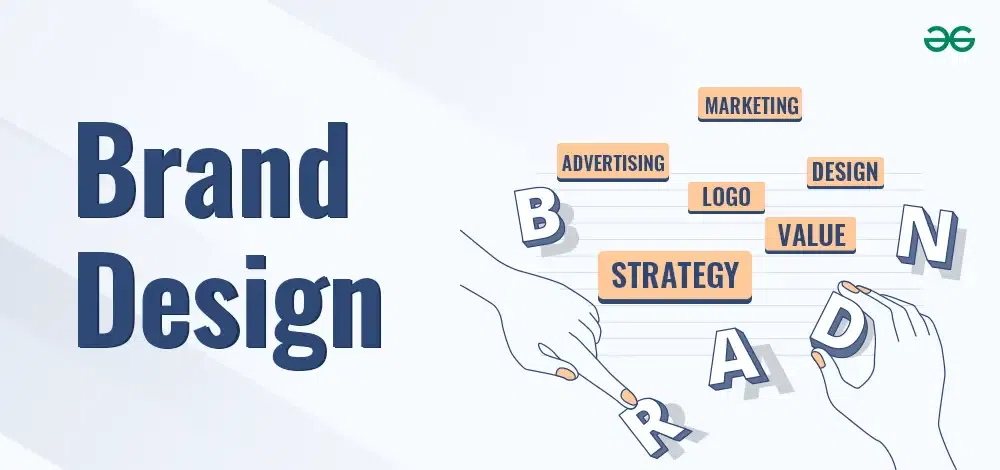
In the competitive world of modern marketing, packaging design has emerged as a vital element that goes beyond merely protecting a product. It serves as a powerful tool for storytelling, brand recognition, and influencing consumer behavior. A well-designed package can instantly attract attention on a crowded shelf, communicate a brand’s values, and create a 品牌設計報價 memorable unboxing experience. In today’s visually-driven marketplace, businesses recognize that effective packaging design is as important as the product itself, making it a crucial factor in a product’s success.
The first and most noticeable benefit of effective packaging design is its ability to attract and engage customers. Consumers are often faced with multiple options for the same type of product, and packaging is what makes a product stand out. Colors, typography, imagery, and shape all contribute to a product’s shelf appeal. A well-executed design not only draws the eye but also encourages potential buyers to pick up the item and learn more. This moment of interaction is key, as it can determine whether the product is purchased or left behind. In essence, the packaging acts as a silent salesperson, doing the job of catching attention and prompting action.
Beyond visual appeal, packaging design plays a critical role in communicating brand identity and values. The materials used, the design style, and even the type of closure on the box can all tell a story about what the brand stands for. For instance, eco-friendly packaging with earthy tones and minimalistic graphics might reflect a company’s commitment to sustainability. Luxury brands may opt for high-end finishes, embossed logos, and elegant color schemes to communicate sophistication and quality. This alignment between packaging and brand personality helps build trust and loyalty among consumers who are increasingly looking for authenticity and transparency in the brands they support.
Another essential aspect of packaging design is its contribution to functionality and user experience. While aesthetics are important, the package must also be practical. It should protect the product during transport, be easy to open, and offer convenience to the user. Functional design also includes resealable closures, stackability, and portion control—all features that enhance the customer experience. A poorly designed package that is difficult to open, leaks, or doesn’t preserve the product can negatively impact customer satisfaction and harm the brand’s reputation. Therefore, successful packaging balances beauty with usability.
With the rise of e-commerce and digital marketing, packaging has also become an important part of the customer journey and brand storytelling. The unboxing experience, especially for online shoppers, is now a key touchpoint. Social media platforms are filled with unboxing videos and photos, showcasing how appealing packaging adds excitement and perceived value to the product. Custom inserts, thank-you notes, and branded wrapping create a sense of personalization and care, making customers feel appreciated and more likely to share their experience online. This free user-generated content acts as valuable word-of-mouth marketing and reinforces the brand’s presence in the digital space.
In conclusion, packaging design is far more than just a container for a product—it is a strategic asset that can influence purchasing decisions, build emotional connections, and elevate a brand’s reputation. When executed thoughtfully, it captures attention, communicates identity, enhances functionality, and creates unforgettable customer experiences. In an age where consumer expectations are high and competition is fierce, investing in creative, meaningful, and sustainable packaging design is not just wise—it is essential for long-term brand success.