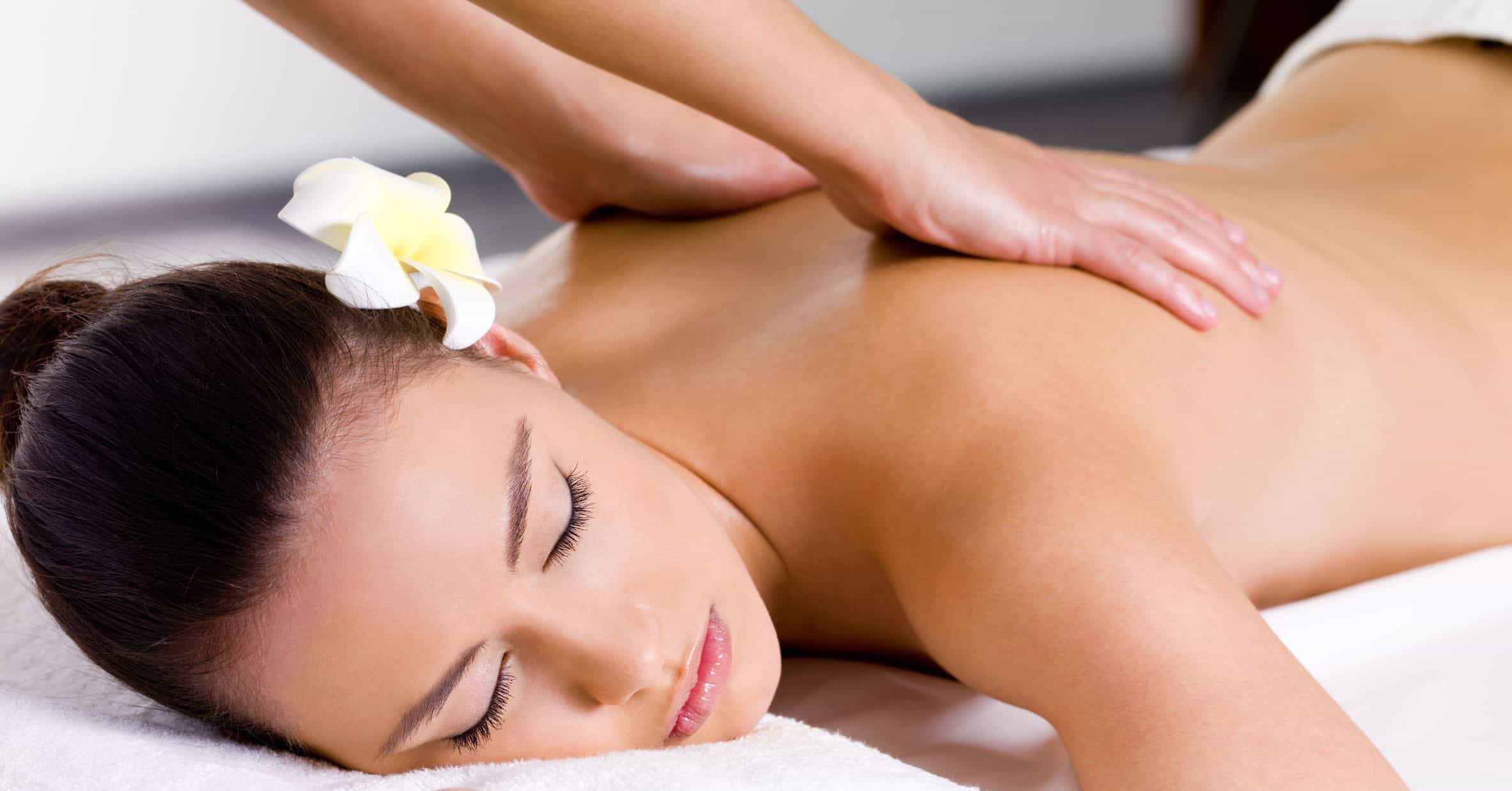
In the hustle and bustle of modern life, finding moments of peace and relaxation can feel like a luxury. However, amidst the chaos, one ancient practice continues to offer solace and healing: massage therapy. With its roots tracing back to ancient civilizations, massage 방콕물집 therapy has evolved into a widely recognized and respected form of holistic therapy. In this article, we’ll explore the myriad benefits of massage therapy, the various techniques available, and how you can incorporate this healing practice into your wellness routine.
Understanding Massage therapy
Massage therapy involves the manipulation of soft tissues in the body, including muscles, tendons, and ligaments, to promote relaxation, alleviate pain, and enhance overall well-being. Through a combination of touch, pressure, and movement, massage therapists aim to release tension, improve circulation, and restore balance to the body.
Exploring Different Massage Techniques
Swedish Massage: Characterized by long, flowing strokes and gentle kneading, Swedish massage is one of the most popular forms of massage therapy. It promotes relaxation, relieves muscle tension, and improves circulation.
Deep Tissue Massage: Deep tissue massage targets the deeper layers of muscle and connective tissue to release chronic tension and alleviate pain. This technique is particularly beneficial for individuals with chronic muscle tightness or injury.
Hot Stone Massage: Hot stone massage involves the use of heated stones placed on the body to promote relaxation and enhance the therapeutic effects of massage. The warmth of the stones helps to relax muscles and improve circulation.
Sports Massage: Designed for athletes and active individuals, sports massage focuses on preventing and treating sports-related injuries, improving flexibility, and enhancing performance. It may involve stretching, deep tissue work, and other techniques tailored to the individual’s needs.
Trigger Point Therapy: Trigger point therapy targets specific areas of muscle tension, known as trigger points, to alleviate pain and improve range of motion. It can be particularly effective for addressing chronic pain conditions such as tension headaches and back pain.
Health benefits of Massage therapy
Relieves Muscle Tension and Pain: Massage therapy helps to release tight muscles, reduce soreness, and alleviate pain caused by physical exertion, injury, or chronic conditions such as fibromyalgia.
Promotes Relaxation and Stress Reduction: The gentle, rhythmic movements of massage promote the release of endorphins, neurotransmitters that promote feelings of relaxation and well-being. Massage also reduces levels of cortisol, the body’s primary stress hormone, helping to alleviate symptoms of anxiety and depression.
Improves Circulation: Massage therapy stimulates blood flow to the muscles and tissues, promoting the delivery of oxygen and nutrients while aiding in the removal of metabolic waste products. This improved circulation supports overall health and healing throughout the body.
Boosts Immune Function: Regular massage has been shown to stimulate the lymphatic system, which plays a crucial role in immune function. By promoting lymphatic drainage, massage helps the body eliminate toxins and pathogens, strengthening the immune response and reducing the risk of illness.
Enhances Mental Well-Being: Beyond its physical benefits, massage therapy has profound effects on mental health. It can reduce symptoms of stress, anxiety, and depression, promote better sleep, and improve overall quality of life.
Practical Tips for Incorporating Massage into Your Wellness Routine
Schedule Regular Sessions: Consider scheduling regular massage sessions to reap the full benefits of this healing practice. Whether weekly, bi-weekly, or monthly, consistent sessions can help maintain physical and mental well-being over time.
Communicate with Your Massage Therapist: Prior to your session, communicate any specific areas of concern, preferences, or health conditions with your massage therapist. This will allow them to tailor the session to your individual needs and ensure a positive experience.
Practice Self-Care Between Sessions: Extend the benefits of your massage session by practicing self-care between appointments. Incorporate relaxation techniques such as deep breathing, meditation, or gentle stretching to maintain a sense of balance and well-being.
Stay Hydrated: Drink plenty of water before and after your massage to stay hydrated and facilitate the removal of toxins released during the session. Hydration is essential for supporting the body’s natural healing processes and preventing dehydration.
Explore Different Modalities: Don’t be afraid to explore different massage techniques to find what works best for you. Whether you prefer the gentle strokes of Swedish massage or the targeted pressure of deep tissue work, there’s a modality suited to your needs and preferences.
Conclusion: Embrace the Healing Power of Massage
Massage therapy offers a holistic approach to health and wellness, addressing both the physical and emotional aspects of well-being. Whether you’re seeking relief from muscle tension, stress reduction, or simply a moment of relaxation and rejuvenation, massage has something to offer everyone. By understanding the various techniques, health benefits, and practical considerations for incorporating massage into your life, you can harness its healing power to enhance your overall quality of life. So why wait? Treat yourself to the transformative experience of massage therapy and embark on a journey to greater health and well-being today.